Dry Rot Repair in Older Sacramento Homes: Spot It Early and Plan a Lasting Fix
A practical guide for homeowners in Sacramento on where dry rot usually appears, how professionals diagnose the real moisture source, and a step-by-step repair approach that reduces the chance the problem will return.

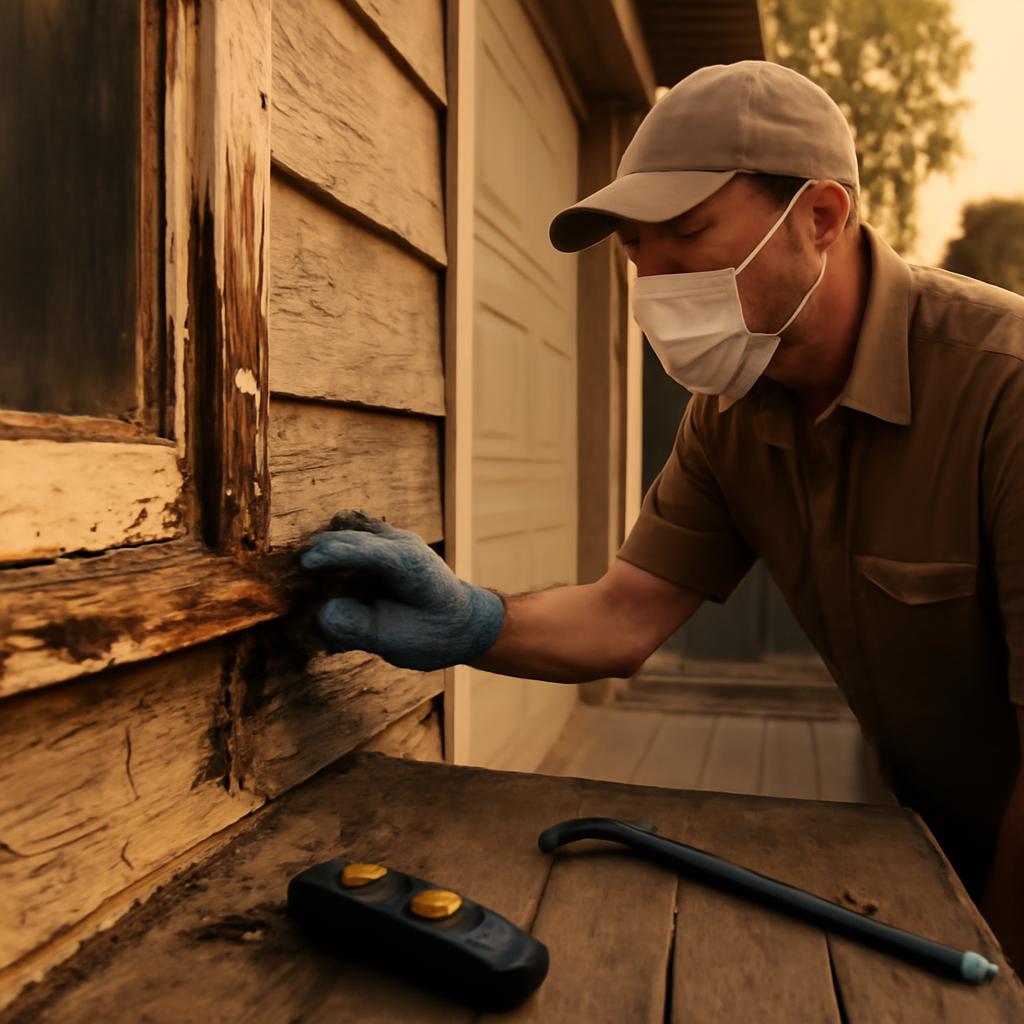
Why dry rot matters in older homes
Dry rot is a common deterioration problem in older houses because fungal decay needs both wood and moisture to progress. Left unchecked, it can weaken structural members, damage windows and trim, and lead to more expensive repairs later. For homeowners, early detection and a repair plan that addresses both the damaged material and the source of moisture are the best ways to avoid repeat problems.
Where dry rot typically shows up
In Sacramento’s older properties, dry rot most often appears where water has an opportunity to sit or repeatedly enter the structure. Typical trouble spots include window sills and frames, the bottoms of exterior doors and door jambs, garage walls near plumbing or leaking roofs, siding where flashing is missing or damaged, eaves and soffits, and wood deck framing and rail posts. Stucco transitions and areas around old or improperly installed windows are also frequent locations.
Early signs to watch for
Catch problems early by looking for: soft or spongy wood that gives under light pressure, powdery or crumbly material where wood should be solid, paint that bubbles or flakes around seams, small pinhole openings in wood, and persistent musty or damp odors in enclosed areas. If you suspect an issue, a simple probe with a screwdriver or a moisture meter reading can help determine whether wood has elevated moisture that could support decay.
How professionals diagnose the real moisture source
A reliable contractor will focus on finding how water is getting to the wood before recommending large-scale demolition. Common diagnostic steps include a focused visual inspection, targeted small-scale demo only where needed, moisture meter readings, testing by applying water to surfaces to reproduce leaks, and inspecting flashing, roofing, gutters, and grading. Checking attic and crawlspace ventilation and nearby plumbing completes the picture. This targeted approach limits unnecessary damage and helps ensure repairs stop the underlying cause, not just the visible rot.
A step-by-step repair plan that reduces recurrence
A well-structured repair typically follows these stages: 1) Document the damage and confirm the moisture source; 2) Make temporary fixes if needed to stop active leaks; 3) Carefully remove only the decayed wood and any contaminated materials; 4) Repair or replace the underlying cause—replace flashing, fix gutters, regrade soil away from the foundation, or repair roof penetrations; 5) Install new, properly flashed and sealed wood or trim using materials and fasteners appropriate for exterior exposure; 6) Restore finishes—stucco, siding, paint, or trim—and ensure proper sealing; 7) Reinspect and monitor the repair area to confirm dryness. Where permits are required for structural changes, include permit pulling and inspections as part of the plan.
What to expect from a trustworthy contractor
Look for clear diagnostics, a detailed scope of work with options for different budgets, and willingness to limit demo until the source is identified. Good contractors provide photos or documentation of the problem and progress, stay responsive to questions, and leave the home clean each day. In practice, some local customers have praised teams that performed minimal, targeted demo, used water testing to narrow the leak, and maintained regular communication throughout larger dry rot and window jobs—signs of careful workmanship and project management.
Preventive maintenance and next steps
To reduce the chance of future dry rot, keep gutters and downspouts clear, maintain exterior paint and sealants, ensure grading slopes away from foundations, and inspect vulnerable areas (windows, deck ledger boards, fascia) annually. If you own an older Sacramento home and see early signs of decay, schedule a focused inspection so repairs can be scoped correctly. Caldwell Construction Inc. serves Sacramento and nearby communities and can perform diagnostic inspections, coordinate any needed permits, and provide repair options tailored to your home and budget.
Customer review

Article by
Caldwell Construction
Caldwell Construction Inc. offers a wide range of services to cater to the various needs of our clients. Our team of skilled professionals is equipped to handle any project big or small. We offer kitchen and bathroom remodeling, building additional dwelling units ADU's, interior and exterior painting, drywall installation, roofing, patio and deck building, permit Pulling, tile work, building maintenance and more. We believe in building long-term relationships with our clients based on trust and reliability. When you choose us, you can be confident that your project will be handled with professionalism, expertise, and attention to detail.