SEO for Brick-and-Mortar vs Service-Area Businesses in Baldwin County
Practical local SEO strategies that show how storefronts (Fairhope, Daphne) and service-area businesses (Foley, Gulf Shores, Robertsdale, etc.) should differ in their Google Business Profile, GEO pages, and content approach to attract more local customers.
Why storefront and service-area SEO need different approaches
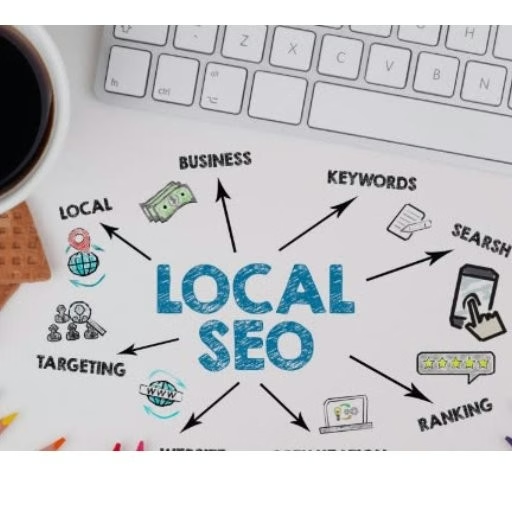
A business with a visible storefront and walk-in customers will be discovered differently than a company that serves customers across multiple towns. Storefronts rely heavily on local visibility tied to a single address — think directions, hours, in-person visits and neighborhood search intent. Service-area businesses must signal coverage across several towns in Baldwin County while avoiding duplicate or thin content. The goals overlap (visibility, qualified leads) but the tactics and priorities shift based on how customers find and use your business.
Google Business Profile: setup and settings
For a true storefront (for example in Fairhope or Daphne) display your full address, regular hours, photos of the location and staff, and enable booking or messaging if relevant. For service-area businesses, configure your Google Business Profile to show your service area rather than promoting an address you don’t want customers to visit. In both cases keep categories, services, phone, and website consistent. Use regular GBP posts and up-to-date photos to signal activity to Google and local searchers.
GEO pages and website structure
Storefront businesses benefit from a single, authoritative location page with clear NAP (name, address, phone), directions, parking info and local content about the neighborhood. Service-area businesses should create dedicated GEO landing pages for each city or region they serve (e.g., Foley, Gulf Shores, Robertsdale, Spanish Fort, Summerdale) — but avoid thin, templated copy. Each page should have unique, locally relevant content such as client examples, neighborhood landmarks, service-specific details, and contact options tailored to that area.
Content strategy: local intent and unique pages
Match content to how people search. Storefronts will capture queries like “open now,” “near me,” or “hours,” so prioritize pages about products, in-store events, staff bios and local promotions. Service-area businesses should target queries like “[service] in [city]” and create FAQ and case-study content that proves experience in each locale. For both models, include local keywords naturally, use customer stories and images tied to place, and keep pages long enough to be useful without repeating the same text across city pages.
Technical and on-page SEO essentials
Across both types make sure site speed, mobile experience, secure HTTPS, and clear metadata are in place. Use title tags and H1s that combine service and location when appropriate (e.g., “Plumbing Services — Foley, AL”), and add structured data: LocalBusiness for storefronts and areaServed markup for service-area pages. Use canonical tags to prevent duplicate content, optimize image alt text with location descriptors, and ensure contact information is crawlable on every page.
Reviews, citations and local links
Reviews matter for both business types. Encourage customers to review you on Google and other local directories, and respond professionally. For storefronts, highlight in-store experiences and photo reviews; for service-area businesses, ask customers to mention the city or neighborhood served. Build local citations (chamber listings, local business directories, partner pages) and pursue local link opportunities such as sponsorships, guest posts, or collaboration with nearby businesses to increase authority in Baldwin County searches.
Measuring success and prioritizing efforts
Track Google Search Console for organic keywords, Google Business Profile insights for discovery sources, and form or phone call tracking to measure leads by location. For storefronts watch maps impressions and “directions” clicks; for service-area businesses focus on search queries by city, landing page traffic, and conversions from GEO pages. Use UTM tags on campaigns to attribute paid or social traffic and prioritize the channels and pages that deliver the best local leads.
How a local agency can help put this into practice
Savage Connective offers services that map directly to these needs: custom website builds that include GEO-optimized pages, ongoing SEO & GEO work to improve local rankings, and social media management to amplify local stories. A client noted that Savage Connective handled their website and social media with strong results, highlighting responsiveness and practical support (review referenced). If you’re based in Baldwin County and need help choosing which local SEO steps to prioritize, working with a local provider who understands storefront vs. service-area distinctions can save time and improve outcomes.
Customer review


Article by
The Savage Influence
The Savage Influence is a creative marketing and brand strategy company that helps businesses build authentic connections with their audiences. We specialize in branding, digital marketing, content creation, social media management, website development, and growth strategies tailored to each client's goals. By combining creativity with data-driven insights, we create compelling brand experiences that increase visibility, strengthen customer relationships, and drive measurable results. Our mission is to help businesses stand out, grow with confidence, and make a lasting impact in their industries.